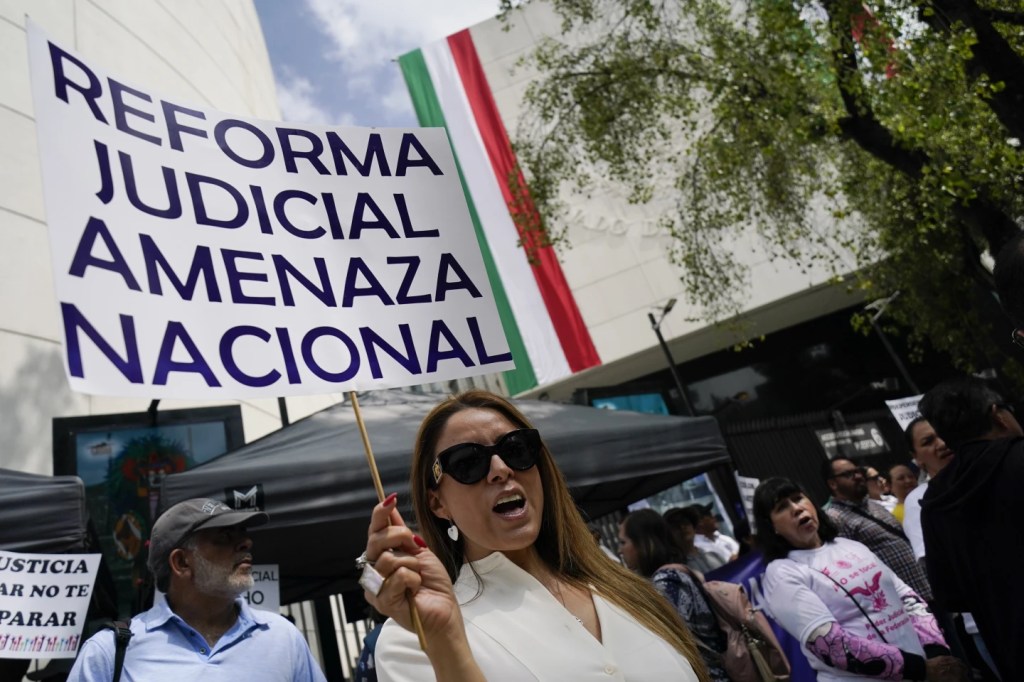
On September 15, 2024, the Mexican Congress approved former President Andres Manuel Lopez Obrador’s overhaul of the judiciary, marking new beginnings for the country’s democracy. Impacting the judiciary and separation of powers, the reform triggered far-reaching controversy across Mexico, from Supreme Court justices to law students. Supreme Court Justice Norma Piña stated, “The demolition of the judiciary is not the way forward,” raising concerns about the future of Mexico’s democracy
While judges were elected under Mexico’s 1857 Constitution, the 1917 Constitution currently in place calls for judge appointment, due to corruption concerns. This past February, former Mexican President Andres Manuel Lopez Obrador (AMLO) put forth reform; after his Morena party secured the chamber of deputies, the reform passed in September. The overhaul of Mexico’s judicial system under AMLO is set to completely restructure the Mexican Supreme Court to district courts as nearly 7,000 judges will need to run for office.
The judicial reform will reorganize the Mexican Supreme Court, hold elections for the judiciary through popular vote, and create a new judicial administration body. To reorganize, the Supreme Court seats will be reduced from 11 to 9 seats now needing a majority of 6 when voting. Supreme Court Justices, Circuit Court Magistrates and District Court Judges will need to run for office and win the popular vote in general elections in 2025 and 2027. The reform Federal Judiciary Council replaces the Judicial Administration body to oversee resource administration to the judicial branch and forms the Judicial Discipline Tribune and supervises the performance of judicial officials.
Mexico’s overhaul of the judicial system includes reforms set to target corruption and violence through the trials of ‘faceless judges.’ The reform allows for court cases involving crime to be heard and ruled by judges who do not have to reveal their identities to protect themselves from threats or violence. This decision sparked concerns as it undermines one’s right to a free and fair trial and as well as difficulties in determining conflicts of interest. Along with the use of ‘faceless judges,’ the elections of judges led critics to argue that it undermines Mexico’s checks and balances. To run for a judge position at the Supreme Court or federal level, candidates need a grade point average of 3.2, ‘five years of professional experience’, and five letters of recommendation from friends or family. The electoral process raises questions about the experience and qualifications of elected judges that could be hindered by popularity and impartial committee evaluation members who will review resumes.
The judicial reform passed through the Mexican Senate with overwhelming support but faced backlash and protests from judicial workers. Protestors stormed the Senate in hopes that lawmakers would block the reform, but were dispersed by the police, allowing the Senate to continue. Ken Salazar, the American Ambassador to Mexico, raised concerns “that the overhaul could pose a ‘risk’ to Mexico’s democracy.” Opponents of the reform claim that it will allow inexperienced people to run for judicial positions, weakening the judicial system. The response to the judicial reform raises various questions about the legitimacy of the judicial branch and the decisions it makes going forward as current President Claudia Sheimbuam plans on upholding the reform.
Since the passage of the judicial reform, thousands of people have registered to run for seats in Mexico’s Supreme Court as well as at the federal level. In the coming months, Mexico’s judicial evaluation committees will review the candidates’ resumes, select roughly ten candidates or less for each seat and then choose at random from that smaller group who will be on the ballot to fill the 881 federal judgeships and the nine Supreme Court Justice seats. As candidates gear up for elections and start their campaigns, Mexicans will decide the fate of the judicial branch and legislative action going forward. In its efforts to make a more just judicial system, Mexico’s democracy will have to restabilize itself as there are mass removals of current judges replaced with individuals chosen through the electoral process.
The image featured in this article is licensed for non-commercial reuse by the APNewsroom; it was originally created by Felix Marquez|2024 and can be found here.
 The Gate
Leave a comment